
For many truck owners, a suspension lift is one of the first modifications on the list. More ground clearance, room for larger tires, improved off-road capability, and a more aggressive stance are all compelling reasons to get rid of the factory ride height. But after spending enough time around lifted trucks, you start to realize something important: ride height alone doesn’t determine how capable a suspension system really is.
In fact, simply lifting a truck without addressing the suspension geometry can create a whole new set of problems. That’s exactly where we found ourselves with our 2020 Toyota Tacoma.
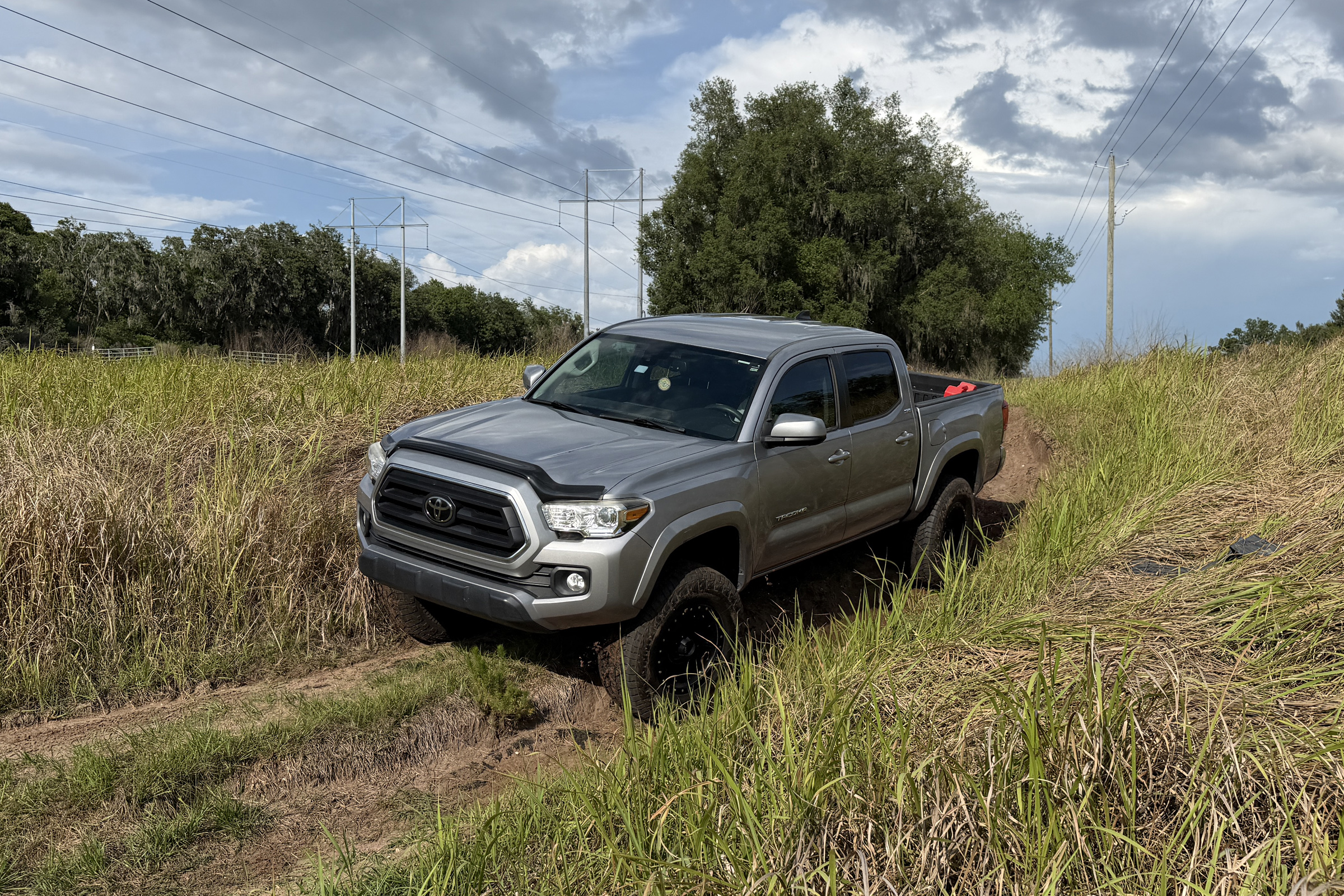
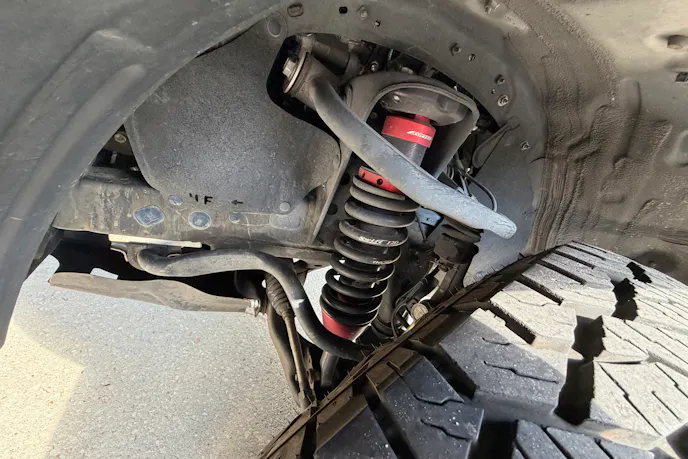
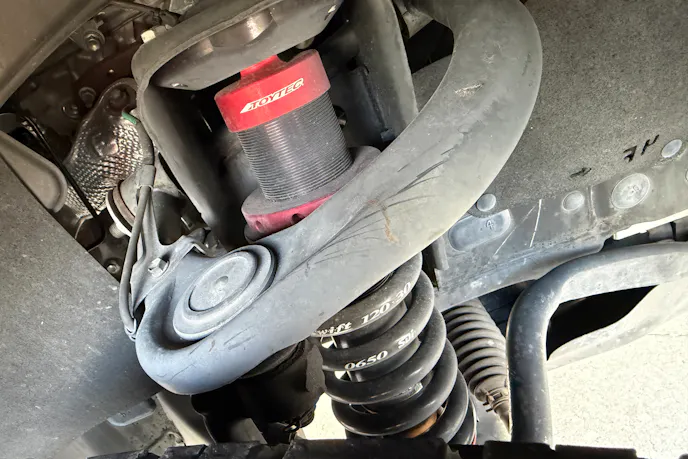
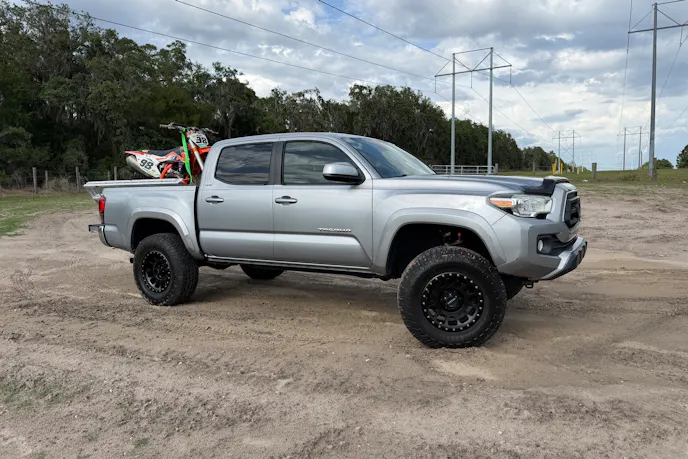
About a year ago, the truck received a ToyTec Midnight Aluma Series 2.5 Performance Suspension System. The results were exactly what we hoped for. The Tacoma sat higher, looked significantly more aggressive, and gained the additional ground clearance needed for the type of light off-road use we regularly encounter throughout Central Florida. The suspension handled larger tires well, improved overall ride quality, and transformed the appearance of the truck.
At first glance, the build seemed complete.
But after spending months driving the truck on the highway, exploring sandy trails, navigating uneven terrain, and hauling dirt bikes to riding areas, it became increasingly obvious that the suspension system still had room for improvement.
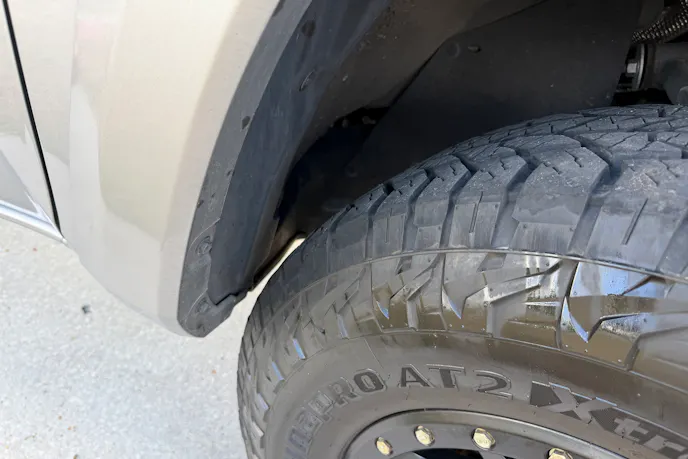
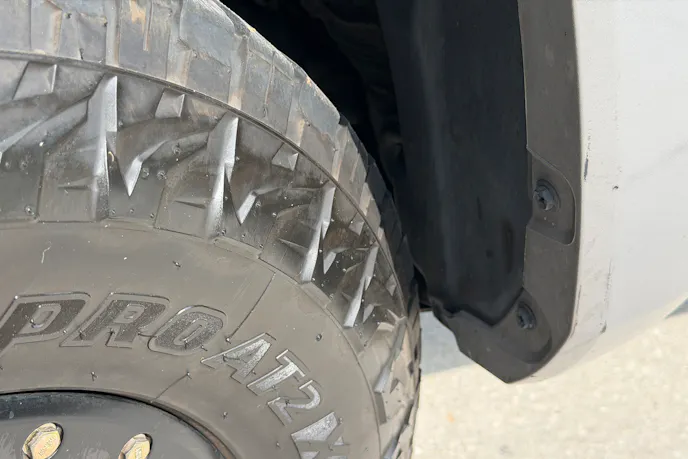
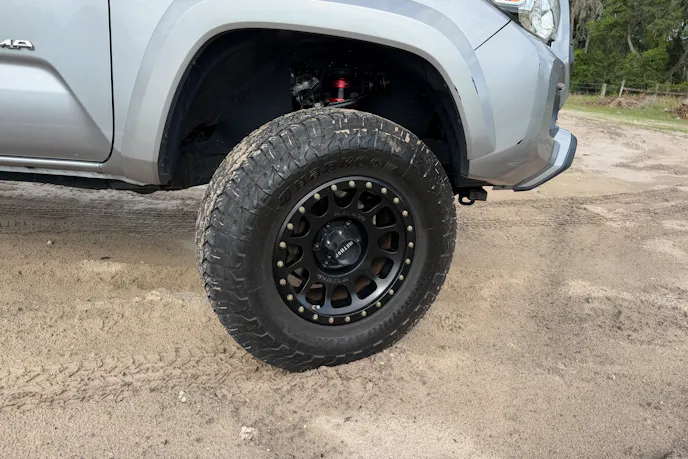
The steering felt less stable than stock at highway speeds. Alignment settings were difficult to fully optimize. More importantly, whenever the suspension began articulating off-road, the front tires frequently contacted the inner fender liners. The truck looked capable, but the suspension geometry wasn’t entirely happy operating at its increased ride height.
Like countless Tacoma owners before us, we had reached the limitations of the factory upper control arms.
Instead of simply cranking more preload into the coilovers and hoping for the best, we decided to approach the suspension as a complete system. The solution involved installing SPC Performance’s 35470 Adjustable Upper Control Arms while simultaneously upgrading the ToyTec coilovers with ToyTec’s 13-inch, 700-pound springs before dialing in additional front ride height.
The result wasn’t just a better-looking truck. It was a better-functioning truck.
The Problem With Lifting A Tacoma
One of the most misunderstood aspects of suspension modification is what happens to suspension geometry when a vehicle is lifted.
Toyota engineers designed the Tacoma’s independent front suspension around a specific operating range. At stock ride height, the upper and lower control arms work together within carefully calculated angles that optimize steering feel, suspension travel, tire wear, ride quality, and overall handling.
When ride height increases, those relationships change.
The suspension begins operating farther away from its intended position. Ball-joint angles become more aggressive. Caster and camber move away from factory specifications. The tire’s position within the wheel well changes. Steering characteristics begin to evolve.
Sometimes those changes are subtle. Other times they become impossible to ignore.
Many lifted Tacoma owners experience a sensation commonly described as wandering. The truck no longer tracks as confidently down the highway. It requires additional steering input to stay centered in the lane. The steering wheel may not naturally return to center as effectively after completing a turn.
At the same time, larger tires often compound the problem.
As the suspension cycles through its travel, the altered geometry can cause the tire to move rearward within the wheel opening, increasing the likelihood of contact with the inner fender, body mount, or wheel-well liner.
Those symptoms sound familiar because they’re exactly what we were experiencing. That’s where SPC enters the picture.
Why Upper Control Arms Matter
One of the biggest misconceptions surrounding aftermarket upper control arms is that they’re intended to create lift. They’re not. The additional ride height in our Tacoma came entirely from adjustments made to the ToyTec coilovers after upgrading to the heavier-duty springs. The job of the upper control arm is much different.
Its purpose is to correct the suspension geometry changes that occur once the vehicle has already been lifted. In many ways, upper control arms are what allow a lifted suspension to perform the way it was intended. Without geometry correction, you’re essentially asking factory components to operate outside the environment they were designed for.
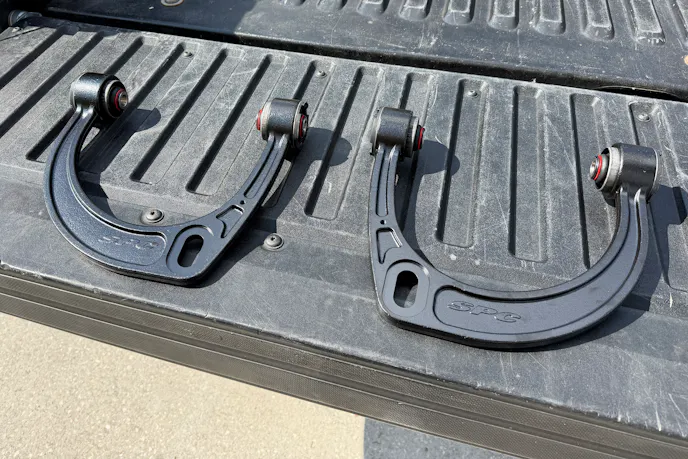
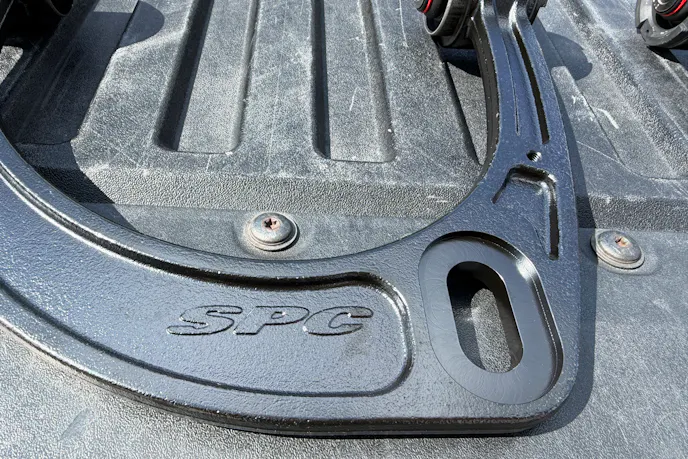
SPC recognized this challenge years ago and developed a control arm specifically designed for lifted truck applications. The company’s 35470 Adjustable Upper Control Arms were engineered, tested, and assembled in Colorado with a focus on alignment correction, suspension travel, durability, and real-world drivability. What makes the SPC design particularly unique is its adjustability.
Unlike many aftermarket control arms that provide a fixed amount of caster correction, SPC gives alignment technicians the ability to fine-tune the geometry based on the specific vehicle sitting on the alignment rack. That distinction is incredibly important because not all lifted Tacomas are identical.
“The new 35 series adjustable upper control arms are the result of a relentless pursuit of perfection and a desire to continually improve on an innovative concept regarding a robust alignment solution for lifted vehicles,” said Scott Adcock of SPC.
Ride heights vary. Tire sizes vary. Wheel offsets vary. Accessory weight varies. A truck equipped with a steel front bumper, winch, skid plates, and recovery gear requires different alignment considerations than a lightly modified daily driver.
The SPC arms provide up to plus or minus two degrees of camber adjustment and up to four degrees of caster correction when used in conjunction with the factory lower control-arm adjusters. That flexibility allows alignment shops to optimize the truck for its exact configuration rather than forcing it into a one-size-fits-all solution.
According to Mac Wall of Suncoast Automotive, that’s one of the reasons SPC has become such a trusted name among professional installers. “SPC is one of the only companies producing an upper control arm with this level of adjustability,” Wall explained.
That adjustability allows technicians to properly dial in alignment settings after a suspension lift—something many fixed-arm designs simply cannot accomplish.
Correcting Caster Changes Everything
If there is one alignment setting that has the greatest impact on how a lifted Tacoma feels on the road, it’s caster. Caster refers to the forward or rearward tilt of the steering axis when viewed from the side of the vehicle. Without getting too deep into suspension-engineering theory, positive caster promotes straight-line stability and improves steering-wheel return-to-center characteristics.
As ride height increases, achieving adequate caster often becomes more difficult with factory suspension components. The result is a truck that feels nervous at highway speeds.
That’s why SPC built additional positive caster directly into the design of its control arms. By restoring proper caster values, the Tacoma immediately becomes more stable, more predictable, and more confidence-inspiring behind the wheel.
Correcting caster can dramatically improve the way a truck drives every single day. After our alignment was completed, the difference was immediately noticeable. The Tacoma tracked straighter. Steering corrections became less frequent. The truck felt more settled and composed on the highway.
It wasn’t a dramatic transformation in the sense that you’d immediately notice after installing a supercharger or larger tires. Instead, it was something better. The truck simply felt right.
Engineering Beyond Alignment
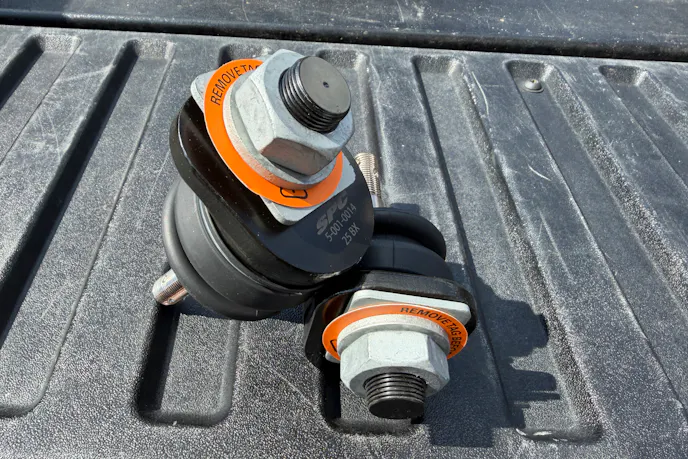
Although alignment correction is the primary reason most enthusiasts purchase SPC control arms, the engineering extends well beyond alignment numbers. The 35470 arms utilize a forged-steel construction that delivers exceptional strength while simultaneously providing additional clearance around the spring bucket.
Repeated impacts, suspension loading, and rough terrain place significant stress on suspension components. The forged construction provides the durability needed for demanding environments without sacrificing precision.
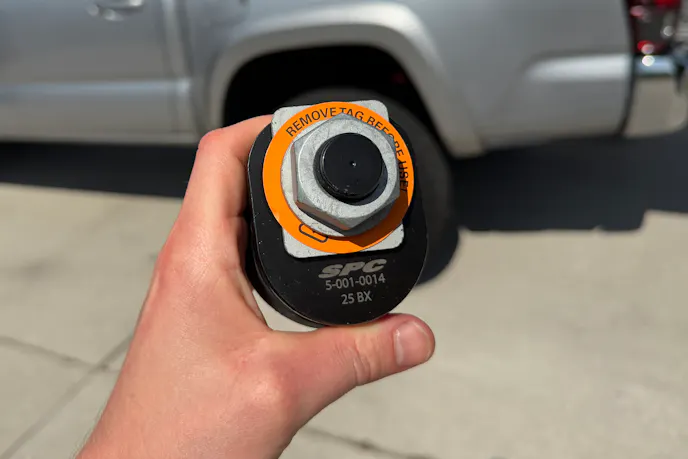
SPC also redesigned the ball joint itself. The company’s latest maintenance-free ball joint features a stud with a cross-sectional area approximately 25 percent larger than the factory component. The design incorporates an E-Nickel coating for improved corrosion resistance while providing a remarkable 80 degrees of articulation.
When suspension travel increases, the ball joint must operate through a greater range of motion. If the joint reaches its angular limit before the suspension reaches its travel limit, the ball joint effectively becomes a restriction point. By allowing significantly greater articulation, the SPC design helps maximize usable suspension travel while reducing the likelihood of binding under extreme suspension movement.
The maintenance-free architecture also eliminates the need for periodic servicing while helping keep contaminants out and lubrication in. For a vehicle that regularly encounters sand, mud, water crossings, and dirt roads, that’s a significant advantage.
SPC further enhances suspension movement through the use of its xAxis sealed flex joints. Unlike some performance-oriented suspension joints that can introduce excessive noise, vibration, and harshness, the xAxis design utilizes bonded rubber sleeves that maintain near-factory ride quality while allowing additional movement during suspension articulation.
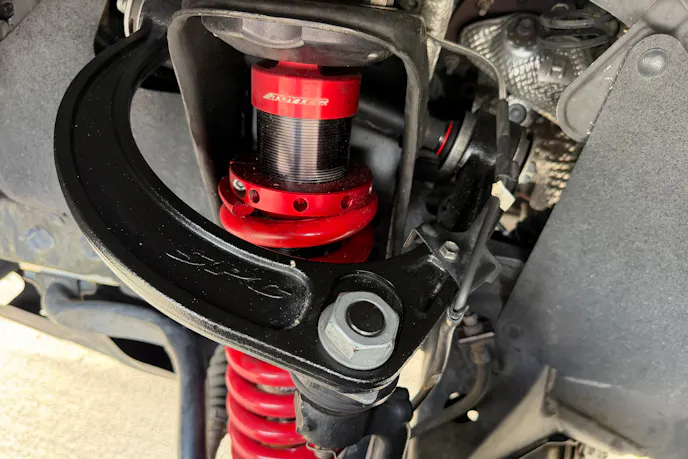
Why the ToyTec Springs Were Equally Important
While the SPC control arms addressed the geometry issues, another challenge still needed to be solved. Ride height. The ToyTec Midnight Aluma Series 2.5 coilovers installed during Phase One were adjustable, but there was a limit to how far the original springs should reasonably be pushed.
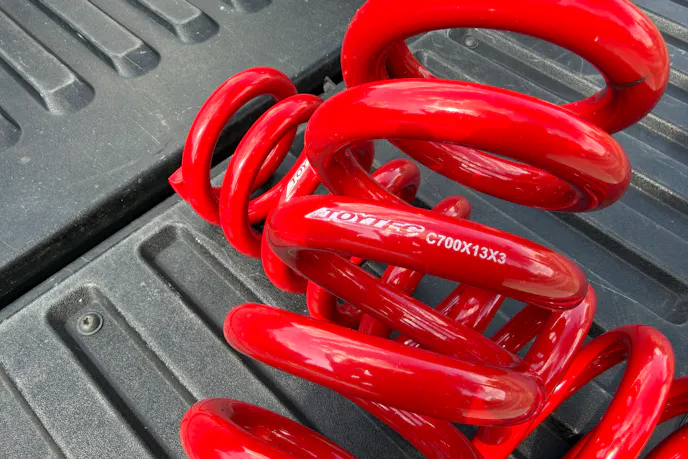
According to Hugo at ToyTec, the original springs simply weren’t designed to support the amount of preload required to achieve our desired ride height. Continuing to increase preload could eventually create coil-bind concerns while negatively affecting overall suspension performance. Instead, ToyTec recommended moving to its 13-inch, 700-pound springs.
“We moved to a 13-inch, 700-pound spring because the ride quality actually gets better,” Hugo explained. “You’re able to reduce preload on the shock, so you’re not overextending it, and it also gives customers the ability to support additional weight from things like bumpers, winches, or other accessories down the road.”
An important lesson that many enthusiasts overlook is that preload and spring rate are not the same thing. While preload can increase ride height, excessive preload doesn’t necessarily improve suspension performance. In many cases, it can actually reduce the suspension’s ability to function as intended.
A properly selected spring allows the suspension to achieve the desired ride height while maintaining travel, ride quality, and control. According to Hugo, the original 12-inch Swift springs were primarily intended for applications running between zero and two inches of lift.
“Once customers start targeting two to three inches of lift or adding weight, the 13-inch 700-pound spring becomes the better option.”
He also pointed to coil bind as one of the biggest concerns when over-adjusting a shorter spring.
“If you fully compress the suspension while off-roading or driving through rough terrain, the spring can start contacting itself, which limits suspension performance.”
The longer, higher-rate ToyTec springs solved that problem while creating a more appropriate foundation for the additional ride height we wanted to achieve.
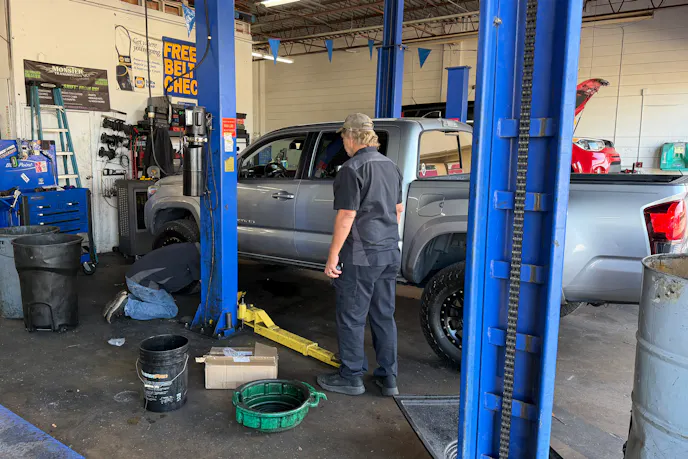
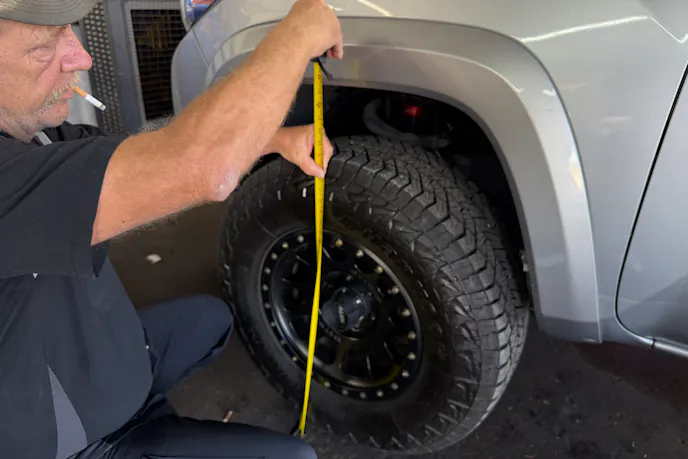
Installation Day
Given the complexity of the upgrade, we entrusted the project to Suncoast Automotive.
While the original coilovers had been installed in our own garage during Phase One, replacing coilover springs and performing a complete suspension setup is a different level of project altogether.
The ToyTec coilovers needed to be disassembled using a spring compressor before the original springs could be removed and replaced. Once the new 13-inch, 700-pound springs were installed, the preload collars were adjusted to increase the front ride height approximately two additional inches.
With the new ride height established, the SPC control arms were installed and the truck was moved onto the alignment rack.
One important note for Tacoma owners considering this upgrade: replacement factory upper-control-arm bolts should be purchased before installation begins. Due to packaging constraints around the frame mounts, it’s often necessary to cut the original bolts during removal. Having replacement hardware on hand prevents delays and ensures the installation can be completed correctly.
After installation, Suncoast Automotive completed a full alignment and optimized the suspension geometry using the SPC arms.
The truck was finally ready to see whether the theory translated into real-world results.
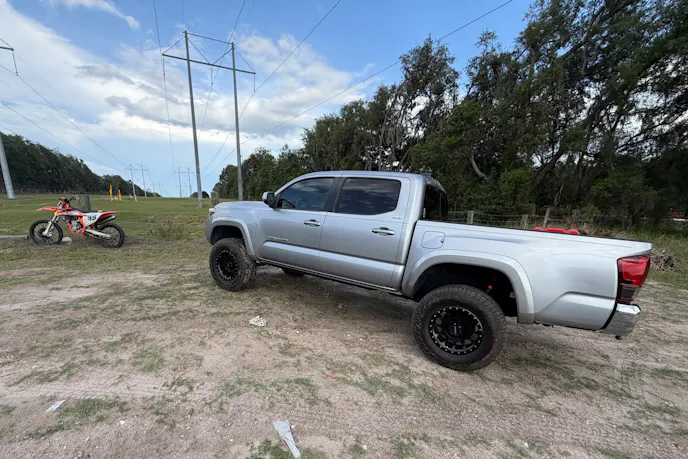
The Results
The difference became apparent almost immediately.
Off-road, the suspension finally felt like it was working as a complete system.
The tire contact issues that had plagued the truck during articulation were dramatically reduced. The suspension moved through uneven terrain with greater confidence and predictability. The front end felt less constrained and more willing to absorb obstacles without constantly reminding us of the limitations hiding beneath the sheet metal.
On the road, the improvements were equally noticeable. Highway wandering diminished. Steering stability improved. The truck tracked straighter and felt more composed at speed.
The ToyTec springs provide the proper support for the desired ride height. The Aluma coilovers deliver the damping control. The SPC upper control arms restore geometry and maximize alignment capability.
Individually, each component contributes something valuable. Together, they create a package that’s far greater than the sum of its parts.
Final Thoughts
The biggest takeaway from this project is that suspension systems should never be viewed as individual components.
A lift kit isn’t just about ride height.
It’s about geometry.
It’s about suspension travel.
It’s about steering feel.
It’s about alignment capability.
It’s about ensuring every component can operate properly within the environment you’ve created.
The SPC 35470 Adjustable Upper Control Arms proved to be the missing link in our Tacoma’s suspension system. By restoring caster, improving alignment flexibility, increasing articulation capability, and optimizing tire placement within the wheel well, they solved virtually every complaint we had developed after living with the lift for the past year.
The ToyTec springs may have provided the additional height. But the SPC control arms are what made that additional height truly usable.
You might also like
GME's XRS Connect GMRS Radio: Australian Engineering Meets American Trails
Australian Tech Tested: We install and test GME’s compact XRS Connect GMRS radio and antenna on a trail-ready Land Cruiser.