
Anyone who spends hours watching Australian overlanding videos every month will understand the fascination.
After years of following 4WD 24/7 (including when it was still 4WD Action), we have developed a strong appreciation for the gear Australians trust. The Australian outback is unforgiving, and products that survive there tend to earn a reputation for quality. That is a major reason for the excitement surrounding the arrival of some of those iconic Australian brands in the U.S. market.
For years, GME was one of those names known only to overland enthusiasts in the U.S. In Australia, however, it is a household name. The company has spent more than six decades building communication equipment designed for some of the harshest environments on the planet. Long before overlanding exploded in popularity stateside, Australian four-wheel-drive enthusiasts relied on GME radios to stay connected across remote deserts, mountain tracks, and endless stretches of backcountry where losing communication was more than an inconvenience; it was a serious problem.
Unlike many electronics manufacturers, GME continues to design and manufacture many of its products in Australia, giving the company tight control over engineering, quality, and durability. That commitment has earned GME a loyal following at home, and the company is now bringing the same philosophy to American off-roaders with a lineup of GMRS radios designed specifically for the U.S. market.
Our first hands-on look at GME came during Overland Expo last summer. Between seeing the products up close, checking out @chase.in.point’s killer GX build, and admiring the company’s gorgeous 70 series troopy display vehicle, it was obvious that these were not simply imported radios with different stickers on the boxes. Everything about the display felt well thought out, and the radios had a level of refinement that immediately stood out.
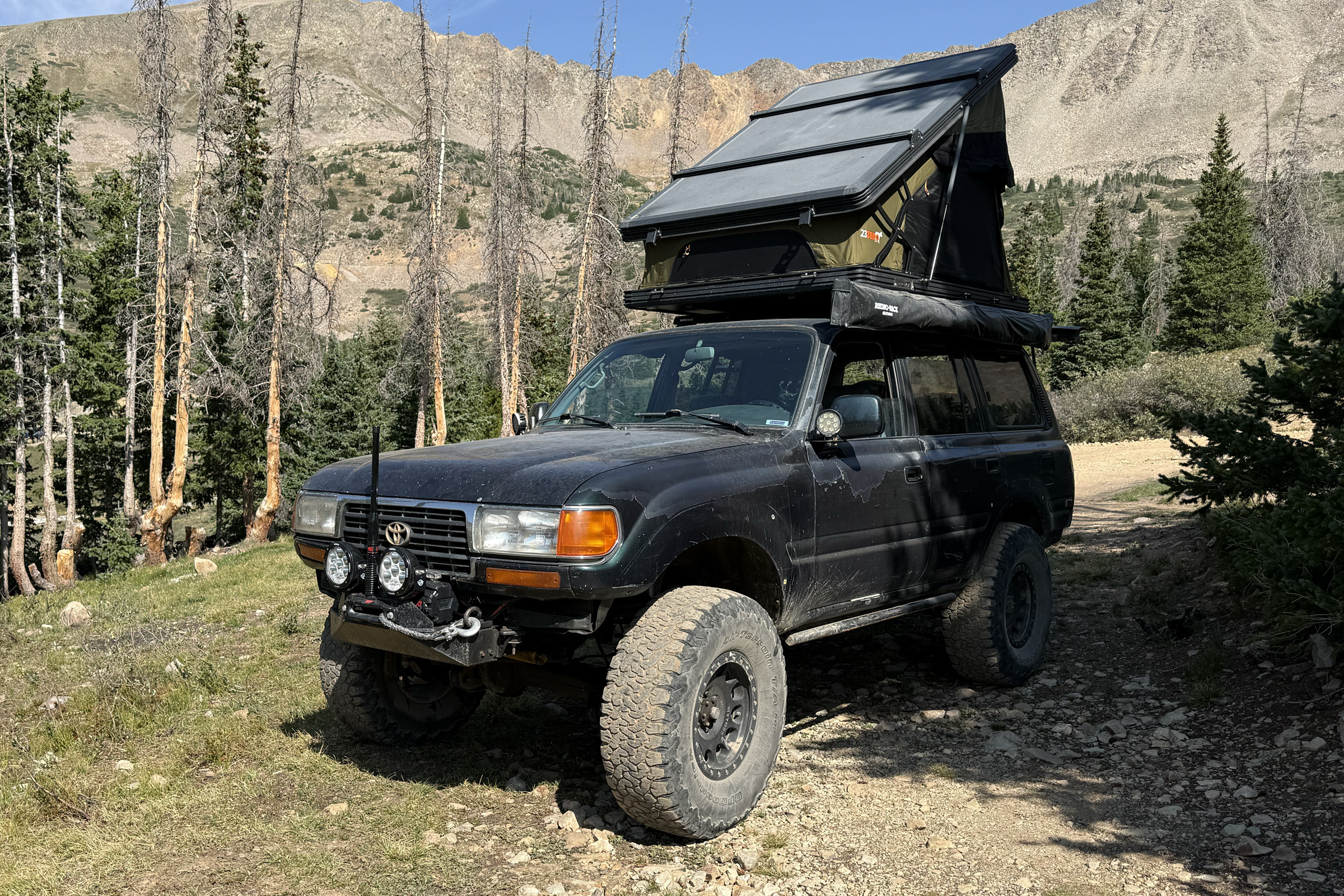
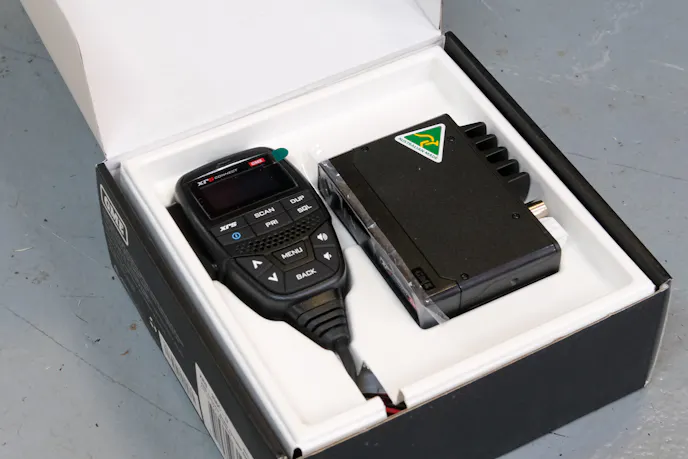
A few months later, we had the opportunity to replace the GMRS radio that had been in one of our rigs for the last several years with GME’s XRS Connect Super Compact GMRS Radio (XRS-330C-U).
Small Radio, Big Flexibility
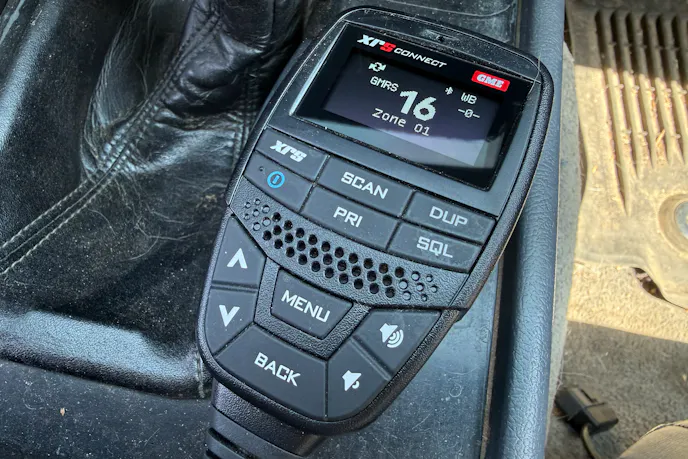
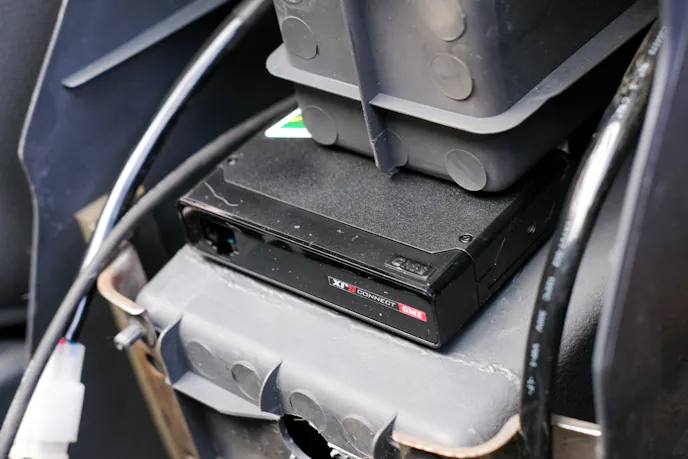
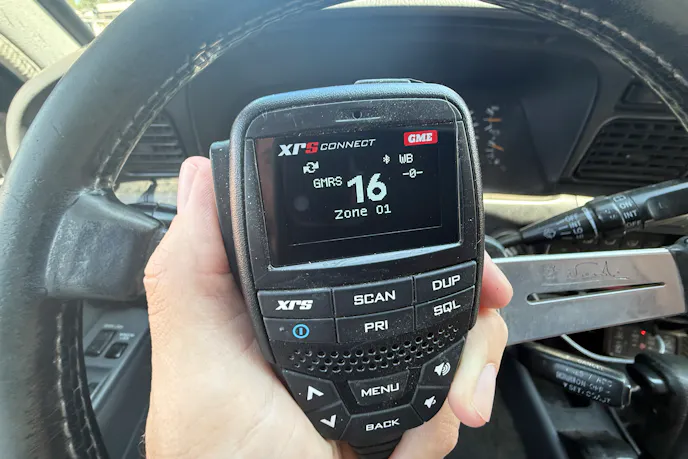
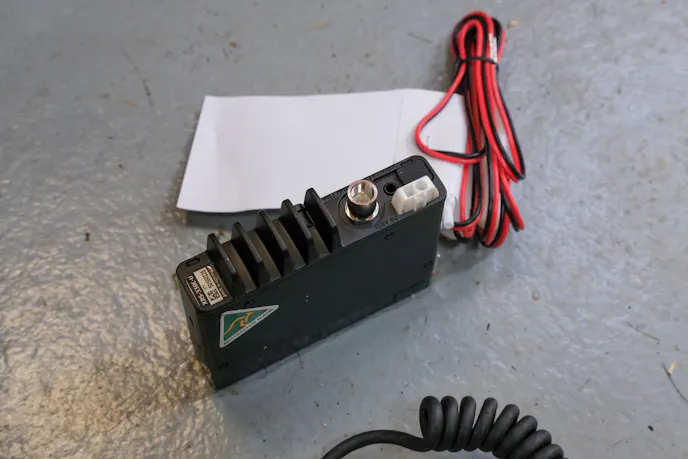
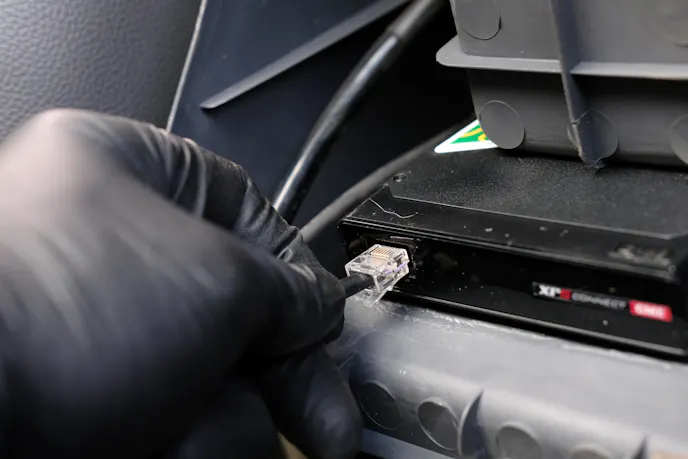
The first thing that stands out about the XRS Connect system is the small size of the main radio chassis. Unlike traditional mobile radios that require space for a full-sized control unit, the XRS-330C-U separates the controls from the radio itself. The handheld microphone houses the display and user interface, while the receiver is compact enough to disappear almost anywhere inside the vehicle.
Because our Land Cruiser already had a permanently mounted GMRS radio, the power and ground wiring were in place. The installation was therefore mostly a matter of removing the old unit and finding a home for the new receiver. Finding that home proved surprisingly easy. The compact chassis tucked neatly underneath the center console, where it was secured with heavy-duty double-sided tape. It pressure-fits nicely into an unused cavity, keeping everything completely hidden while still allowing easy access for service.
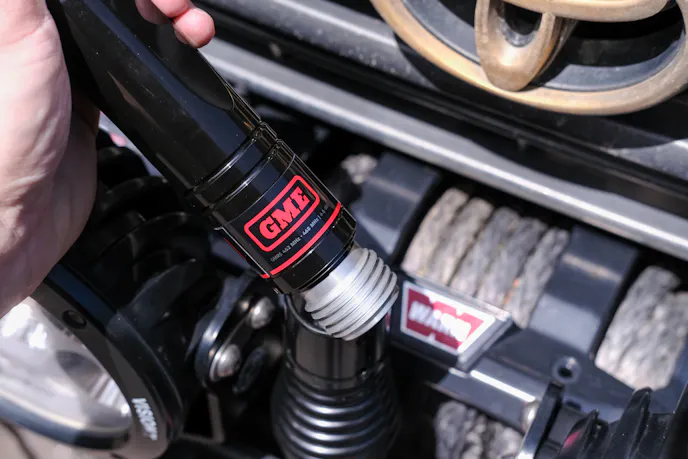
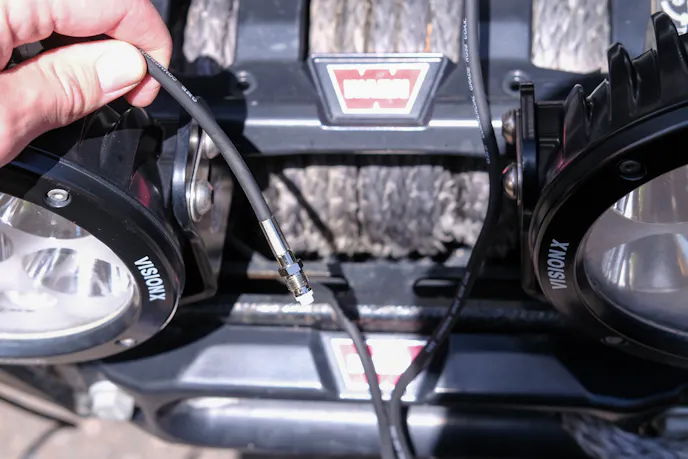
The hardest part of the entire installation was not mounting the radio itself; it was routing the antenna cable cleanly and functionally. Properly routing the wiring through the firewall and toward the front bumper took more time than anything else. Once that was finished, all that remained was running the wire to the bumper, because what better place is there for that iconic antenna than the front bullbar? (Okay, it is a tiny little winch cradle, but we can dream…)
Choosing The Right Antenna
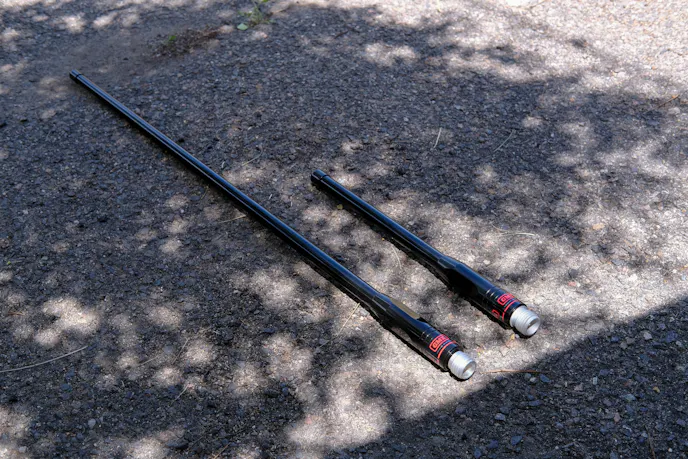
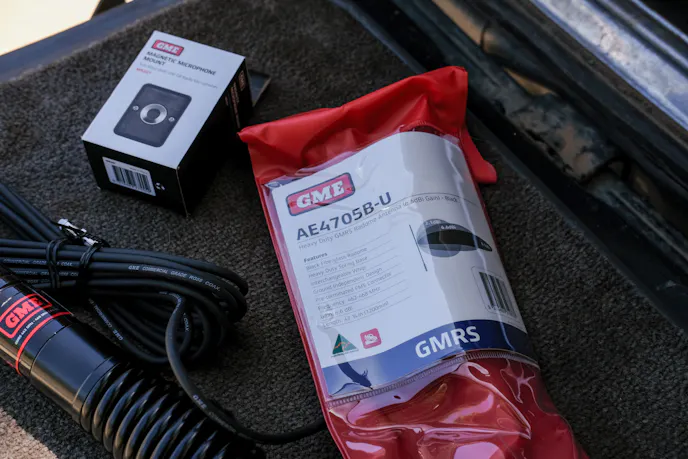
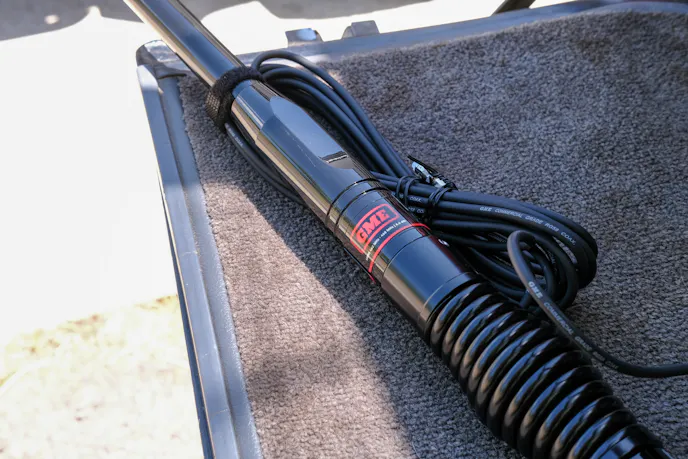
For this installation, GME supplied its heavy-duty 6.6 dBi Radome Antenna (AE4705B-U). GME’s 2.1 dBi option (AE4704B-U) is also available for testing, providing an opportunity to determine which gain works best for our type of adventuring.
Choosing antenna gain always involves a tradeoff. Higher-gain antennas such as the 6.6 dBi version generally provide increased range across flatter terrain by compressing the signal pattern, while lower-gain antennas tend to perform better in mountainous or heavily wooded terrain where elevation changes are common. Interchangeable options make it easy to tailor the radio to the environment instead of settling for a one-size-fits-all solution.
Because of the antenna’s mounting location, part of its body does not extend above the hood line. Technically, that slightly limits rearward performance compared with a roof-mounted installation. In practice, testing has not revealed any issues. Communication has remained consistent during trail rides, and the location keeps the antenna protected while still providing excellent coverage.
More Than Just A Radio
One of the biggest differences between GME and many traditional GMRS radios is the technology built around the platform.
One genuinely surprising feature is how polished the XRS Connect app feels. Pairing it with the radio over Bluetooth took just a few moments and provided access to nearly every setting without requiring the user to dig through menus on the microphone. Changing channels, adjusting scan lists, updating firmware, and configuring the radio all happen through an interface that feels more like a modern smartphone app than a traditional two-way radio programming tool. Even if the owner opens it only occasionally, the app makes ownership noticeably easier and removes much of the learning curve that typically comes with mobile GMRS radios. It is one of those features users do not realize they want until they have tried it.
Trail Impressions
Before installing the GME kit, we were already using another premium GMRS radio, so this was not an upgrade from a bargain-basement unit. There were very few complaints with the previous setup. That made the XRS Connect even more interesting because the improvements were not about raw transmitting power; they were about the overall user experience.
The first noticeable difference was how well the radio manages squelch. When driving solo, we often leave the radio scanning channels to listen for trail traffic or nearby conversations. The previous radio did the job, but it frequently blasted the cabin with bursts of static as it cycled through channels. The GME handles that noticeably better. Scanning is smoother, received audio is exceptionally clear, and the squelch control does a much better job of filtering out unwanted noise without making legitimate transmissions difficult to hear. So far, everyone contacted during testing has reported equally clear transmissions from the GME. That detail is difficult to appreciate on a spec sheet, but it is noticeable every time the radio is used.
After years of watching Australian overlanders swear by GME equipment, the reasons for that loyalty are finally clear. The company is not introducing a revolutionary new concept to the American market. It is refining something that most off-roaders already depend on, and after living with the XRS Connect for a while, that refinement is exactly what stands out. The best upgrades are not always the ones with the wildest advertised specs; they are often the ones users stop thinking about because they work exactly as needed.
You might also like
2027 Ford F-150 Gets A Bigger Base EcoBoost And Cheaper Tremor, Raptor
The 2027 Ford F-150 adds a new 3.0L EcoBoost, updated Tremor and Raptor models, BlueCruise towing capability, and more.