
For the past few years, Jeep’s 4xe plug-in hybrids were pitched as the future of electrified off-roading. Instant torque, quiet trail operation, and better efficiency without sacrificing capability all sounded great on paper. For many enthusiasts, though, the experiment always felt like a question mark.
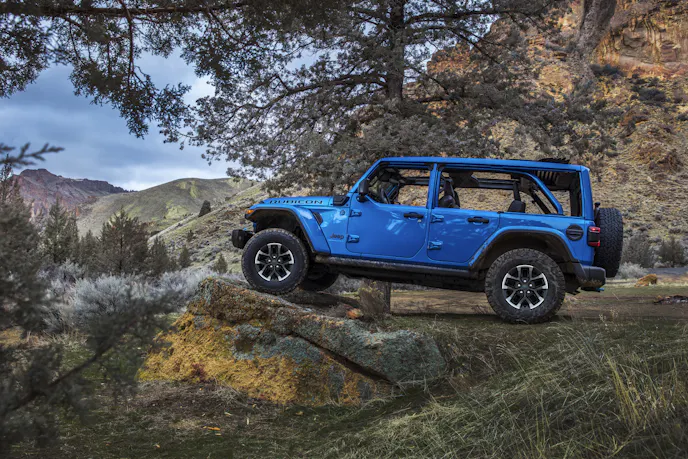
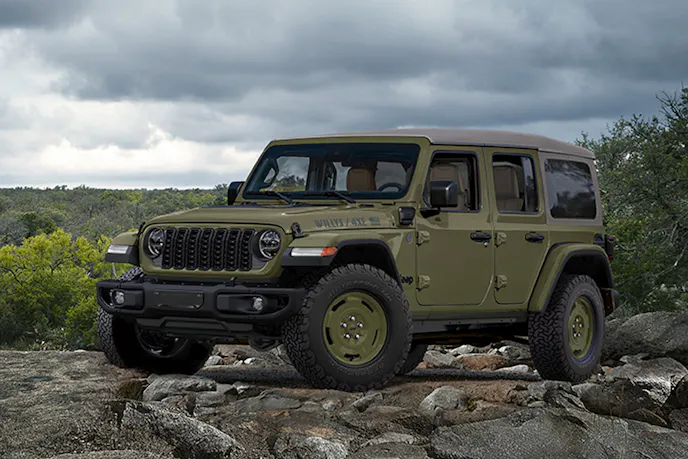
Now, that chapter appears to be closing. As first reported by TheDrive, Jeep will not offer the Wrangler 4xe or Grand Cherokee 4xe for the 2026 model year as parent company Stellantis moves away from traditional plug-in hybrid powertrains in North America. The Wrangler and Grand Cherokee themselves are sticking around, but the 4xe versions are effectively done, at least in their current form.
The Short Version
Jeep is discontinuing the Wrangler 4xe and Grand Cherokee 4xe for 2026 as part of a broader Stellantis strategy shift. Plug-in hybrids are being phased out in favor of other electrification approaches, and a series of recalls and stop-sale orders likely sped up the decision. Gas-powered and mild-hybrid Jeeps will continue, and while the “4xe” badge isn’t necessarily gone forever, it won’t mean the same thing moving forward.
Why Jeep Is Pulling The Plug On 4xe
On paper, the Wrangler 4xe looked like a home run. It offered strong combined torque, legitimate electric-only trail capability, and solid early sales. In the real world, however, things quickly became more complicated.
In a statement to TheDrive, a Stellantis spokesperson said: “Stellantis continually evaluates its product strategy to meet evolving customer needs and regulatory requirements,” a Stellantis spokesperson told The Drive via email. “With customer demand shifting, Stellantis will phase out plug‑in hybrid (PHEV) programs in North America beginning with the 2026 model year, and focus on more competitive electrified solutions, including hybrid and range‑extended vehicles where they best meet customer needs.”
“This approach reinforces the company’s commitment to offering advanced propulsion systems that maximize efficiency and provide options from internal combustion to hybrid range‑extended, and fully electric solutions,” the spokesperson continued.
Big Recalls, Bigger Headaches
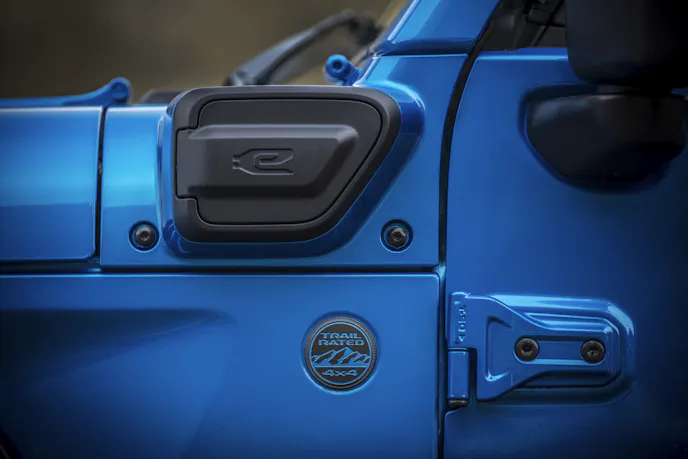
Both the Wrangler 4xe and Grand Cherokee 4xe were hit with major recalls that went far beyond minor software fixes. Manufacturing contamination issues inside the engine and concerns with high-voltage systems led to stop-sale orders that left dealers sitting on inventory they couldn’t sell. For off-roaders, reliability matters more than marketing claims, and once confidence in a complex drivetrain starts to slip, it’s difficult to recover—especially for vehicles expected to operate far from pavement and cell service.
The PHEV Market Isn’t What Stellantis Hoped
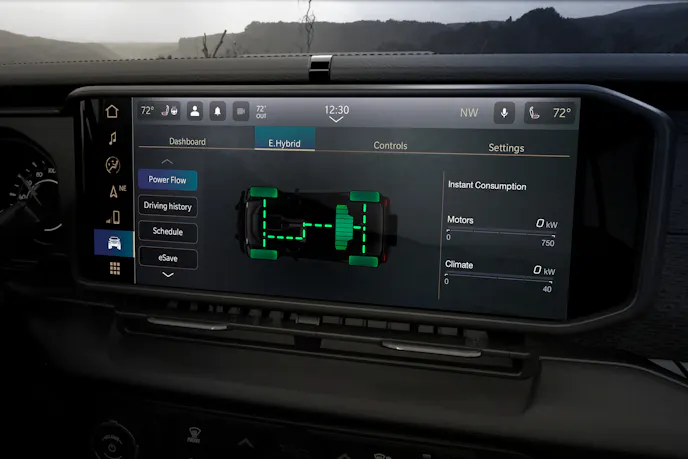
Stellantis has made it clear that traditional plug-in hybrids no longer fit its long-term North American strategy. Reduced federal incentives, higher costs, added complexity, and real-world usage patterns that don’t always involve plugging in have all worked against PHEVs. Rather than doubling down, Stellantis plans to shift resources toward conventional hybrids, range-extended electric vehicles, and full battery-electric platforms.
What This Means For Wrangler And Grand Cherokee Fans
The most important takeaway is that neither the Wrangler nor the Grand Cherokee is being canceled. Only the plug-in hybrid 4xe variants are going away.
For the 2026 model year and beyond, both vehicles will continue with gasoline and mild-hybrid powertrains. Some trims, particularly Trailhawk versions that relied on the 4xe drivetrain, may need to be reworked or temporarily disappear. Jeep has already removed 4xe models from its U.S. configurator, which is usually the clearest signal that a powertrain’s days are numbered.
What About The “4xe” Name?
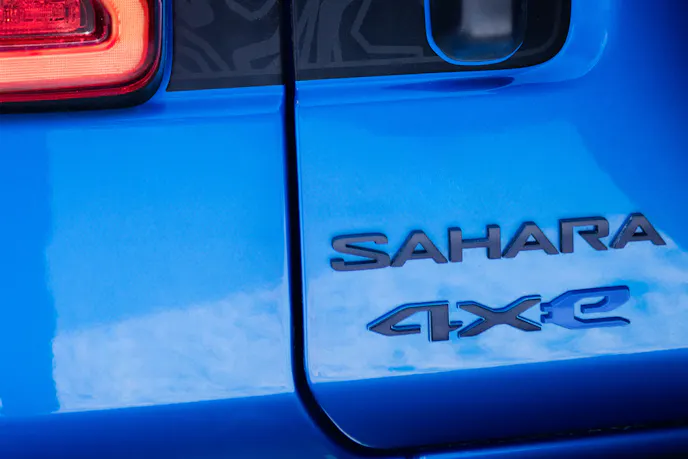
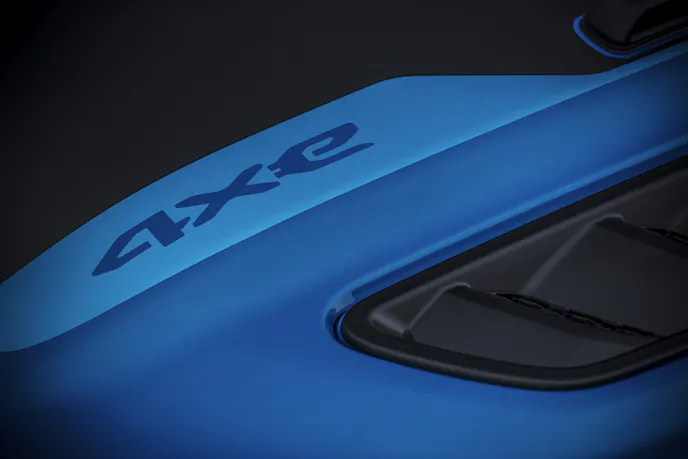
The 4xe badge itself may not be dead. Jeep has hinted that the name could return as a broader electrification label applied to future technologies, potentially including range-extended electric vehicles or next-generation hybrid systems. What’s clear is that it won’t represent the same plug-in hybrid setup found in today’s Wrangler 4xe.
The Bigger Picture for Off-Roaders
From an enthusiast standpoint, this move isn’t especially surprising. While the 4xe delivered impressive torque and novelty, it also brought added weight, increased complexity, trail reliability concerns, and limited electric-only usefulness once larger tires, armor, and gear entered the picture.
Many hardcore Jeep owners continued to favor proven options like the 3.6-liter Pentastar or the 2.0-liter turbo, valuing simplicity and field-serviceability over electrified features. When you’re miles from the nearest road, fewer components and known reliability still matter more than spec-sheet innovation.
Bottom Line
Jeep’s experiment with plug-in hybrid off-roaders is coming to an end, at least for now. The Wrangler 4xe and Grand Cherokee 4xe won’t make it to 2026, marking a significant shift in how Jeep and Stellantis view electrification for North American buyers. For off-road enthusiasts, the move likely signals a renewed emphasis on durability and simplicity—until the next generation of electrified Jeeps proves it can survive real trail abuse.
You might also like
2025 Ford F-550 Overkill Judgment: Six Doors, 43s, And Zero Chill
This six-door 2025 Ford F-550 4x4 turbodiesel is more than a pretty face. It has a multifunctional tray bed, smooth-riding suspension, more.